Get Plaster Patching
Plaster patching services help property owners repair cracks, holes, and damaged walls in residential or commercial spaces by connecting them with local contractors skilled in restoring surface integrity.
If you're noticing cracks, holes, or other imperfections in your property's plaster, it may be time to consider patching services. Property owners often explore plaster patching to maintain the appearance and integrity of interior or exterior walls, prevent further damage, and preserve the value of their space. Whether preparing a property for sale, renovating a room, or simply addressing wear and tear, having access to skilled local contractors can help ensure the job is handled effectively and efficiently.
Exploring local options for plaster patching allows property owners to compare service providers who specialize in this work and find solutions tailored to their specific needs. By reviewing available local contractors, you can better plan your project and identify professionals with the experience to deliver quality results. Keep reading to discover how connecting with the right service providers can support your property's maintenance and improvement efforts.
- Interior Wall Repairs - when walls have cracks, holes, or damage that need patching before painting or decorating.
- Water Damage Restoration - after leaks or flooding have caused plaster surfaces to deteriorate or develop unsightly patches.
- Surface Refinishing - when existing plaster surfaces require smoothing or patching to prepare for a fresh coat of finish.
- Structural Repair - in cases where damaged plaster indicates underlying issues with the wall’s stability or integrity.
- Aesthetic Improvements - for cosmetic patching to improve the appearance of walls before renovation or staging.
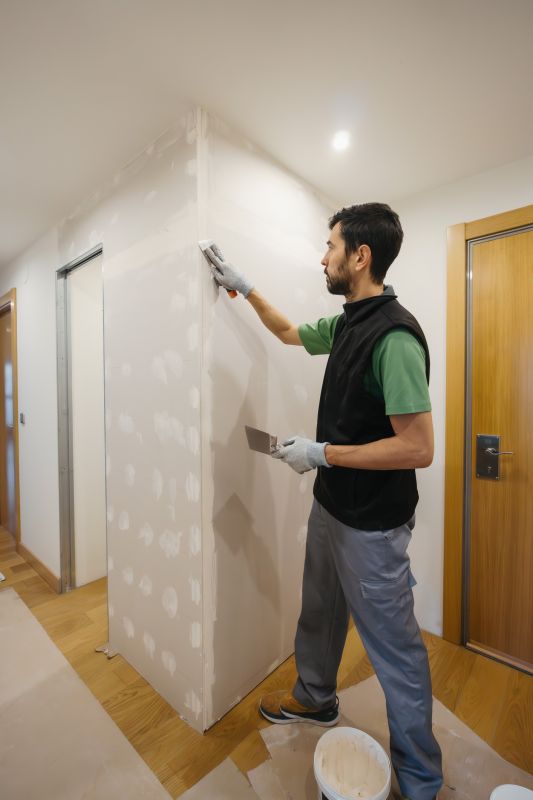
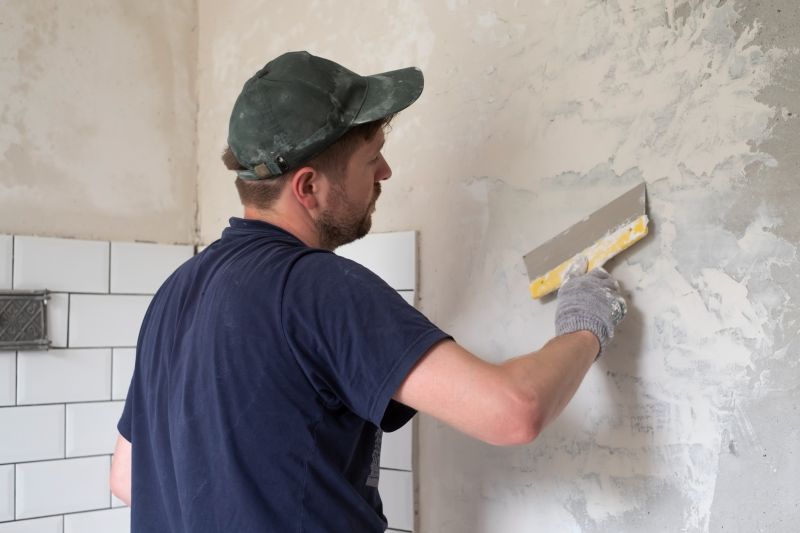
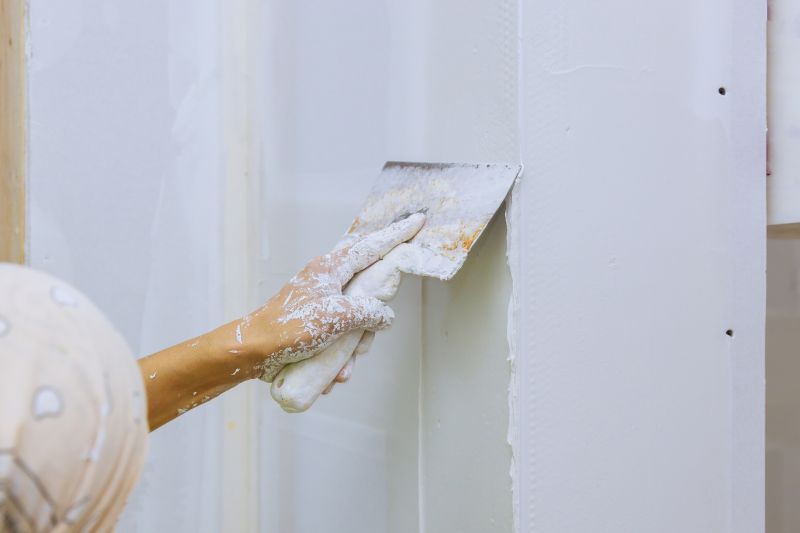
Plaster patching services involve repairing damaged or deteriorated sections of plaster walls and ceilings to restore their smooth, even surface. This process typically includes removing loose or cracked plaster, preparing the area, and applying new plaster or patching compounds to fill in holes, cracks, or other imperfections. Skilled contractors use specialized tools and techniques to ensure the patched area blends seamlessly with the surrounding surface, resulting in a clean and professional finish. This service is essential for maintaining the appearance and integrity of interior walls, especially in older or heavily used spaces.
Many common problems can be addressed through plaster patching, including cracks caused by settling or temperature changes, holes from nails or fixtures, and surface damage from impacts or moisture. Over time, plaster can develop hairline cracks or larger fissures that compromise the wall’s stability and aesthetic appeal. Patching these issues promptly can prevent further deterioration and help maintain the value of a property. Additionally, plaster patching can prepare walls for painting or wallpapering, providing a smooth surface that enhances the overall look of a room.
Plaster patching services are frequently needed in residential properties such as single-family homes, apartment buildings, and historic houses. These properties often have plaster walls that are more susceptible to cracking and damage over time. Commercial buildings, including offices and retail spaces, may also require plaster repairs to keep their interiors looking professional and well-maintained. Whether dealing with minor surface imperfections or more extensive damage, property owners can find local contractors who specialize in plaster patching to handle projects of various sizes and complexities.
Homeowners and property managers often turn to plaster patching services when preparing a space for renovation or simply wanting to improve its appearance. It’s a practical solution for fixing unsightly cracks, holes, or uneven surfaces that can detract from the overall look of a room. By addressing these issues early, property owners can avoid more costly repairs down the line and ensure their walls remain in good condition. Local service providers are available to help assess the extent of damage and deliver professional patching work that restores the beauty and functionality of interior surfaces.
The overview below groups typical Plaster Patching projects into broad ranges so you can see how smaller, mid-sized, and larger jobs often compare in your area.
In many markets, a large share of routine jobs stays in the lower and middle ranges, while only a smaller percentage of projects moves into the highest bands when the work is more complex or site conditions are harder than average.
Smaller Repairs - Typical costs for minor plaster patching jobs usually range from $250 to $600. Many routine repairs fall within this middle range, depending on the size and location of the patch. Fewer projects reach the higher end of the spectrum.
Medium-Size Patches - For more substantial patching work, such as larger wall sections, costs often range from $600 to $1,200. Local contractors frequently handle projects in this range, with larger jobs pushing beyond that point.
Large Repairs - Extensive patching or multiple areas can cost between $1,200 and $3,000. These projects are less common but are handled regularly by experienced service providers for larger spaces or complex damage.
Full Wall or Replacement - Complete wall patching or full replacement can exceed $3,000, with larger, more complex projects reaching $5,000 or more. Such projects are less frequent and typically involve extensive damage or renovation work.
Actual totals will depend on details like access to the work area, the scope of the project, and the materials selected, so use these as general starting points rather than exact figures.
Drywall Repair - drywall repair involves patching holes and cracks, sharing skills with plaster patching for seamless wall surfaces.
Ceiling Repair - fixing damaged or sagging ceilings requires similar planning and tools as plaster patching to restore structural integrity.
Skim Coating - applying a smooth finish over existing surfaces involves techniques comparable to plaster patching for an even appearance.
Texture Matching - recreating wall textures after repairs demands an understanding of surface finishing similar to plaster patching processes.
Wall Restoration - restoring damaged or aged walls often involves patching and surface preparation skills akin to plaster repair work.
Plasterboard Installation - installing and finishing plasterboards requires precise patching and finishing skills related to plaster patching services.
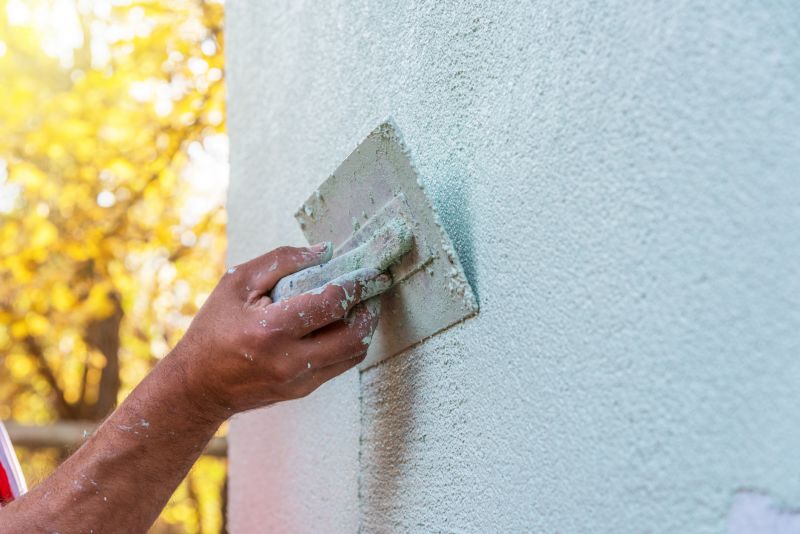
When comparing local contractors for plaster patching services, it’s important to consider their experience with similar projects. Homeowners should inquire about how long a service provider has been working in the area and whether they have handled projects comparable in size and scope. An experienced contractor will have a better understanding of the specific techniques and materials needed to achieve a seamless repair, reducing the likelihood of issues down the line. Gathering information about their past work can help ensure that the selected professional has a proven track record of delivering quality results on projects similar to what is needed.
Clear, written expectations are essential when evaluating potential service providers. Homeowners should seek detailed descriptions of the scope of work, the materials to be used, and the estimated process for completing the patching. Having these details in writing helps prevent misunderstandings and provides a basis for comparing proposals. Service providers who communicate expectations transparently demonstrate professionalism and make it easier for homeowners to assess whether their approach aligns with project needs.
Reputable references and good communication are key factors in choosing the right local pros. Homeowners are encouraged to ask for references from previous clients who had similar work done and to follow up on those references to learn about their experiences. Additionally, responsive and clear communication during the initial contact can indicate how well a contractor will handle questions and updates throughout the project. While the site introduces homeowners to local options, it does not perform the work itself; instead, it helps connect individuals with trusted service providers who can handle plaster patching projects efficiently and professionally.
Property owners use Plaster Patching services for practical projects around their homes and businesses. This guide focuses on everyday jobs and straightforward project options.
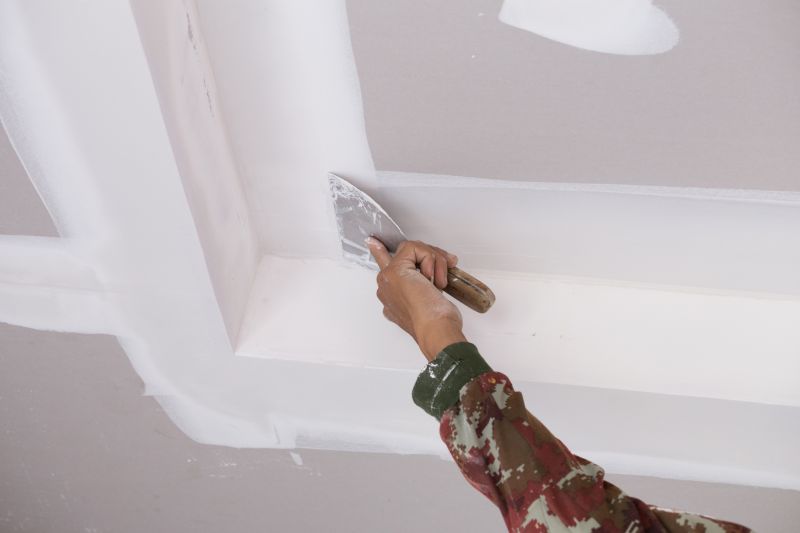
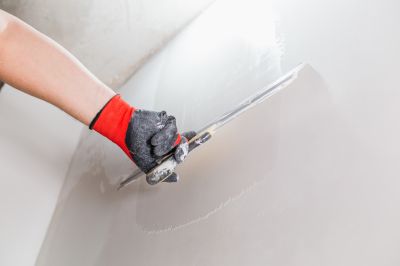
Plaster patching is a common need for property owners dealing with everyday wear and tear, minor cracks, or small holes that can develop over time. Whether preparing a home for new occupants, fixing damage caused by everyday impacts, or updating walls to improve appearance, local contractors can provide efficient patching solutions. These services help maintain the integrity and appearance of interior and exterior walls, making them look neat and well-kept.
Property owners might also seek plaster patching when undertaking renovation projects or addressing issues after weather-related events. Small cracks or damaged areas can become more noticeable or worsen if left unaddressed, potentially leading to larger repairs down the line. Local service providers are available to handle these common patching needs, ensuring walls remain smooth and visually appealing.
What types of damage can plaster patching repair? Local contractors can fix a variety of issues such as cracks, holes, water damage, and surface deterioration in walls and ceilings.
Is plaster patching suitable for all wall surfaces? Plaster patching is effective on most interior wall surfaces, including drywall, plaster, and lath-and-plaster walls, depending on the extent of damage.
How do professionals prepare a surface for plaster patching? They typically clean the area, remove loose material, and apply a bonding agent to ensure proper adhesion of the patch.
Can plaster patching be used to repair large holes? Yes, experienced service providers can handle large repairs by installing backing material and applying multiple layers of plaster for a seamless finish.
What maintenance is needed after plaster patching? Generally, no special maintenance is required, but keeping the area clean and inspecting for new damage can help maintain the repair.
Wall Repair and Maintenance - Property owners can address small cracks or holes in interior or exterior walls to improve appearance and prevent further damage.
Bathroom and Kitchen Repairs - Patching services can fix damaged or chipped plaster around sinks, tubs, or backsplashes for a seamless look.
Renovation and Remodeling Projects - Local contractors can help prepare surfaces by patching imperfections before painting or finishing work begins.
Damage Restoration - Patching services assist in restoring walls after accidental impacts or water damage to maintain the property's integrity.
If you are thinking about Plaster Patching for a property, this guide is meant to help you understand the work, the typical project types, and how different options might fit your plans.
When you are ready, you can use the quote form on this page to share a few details about your project. From there, local pros can review the basics and respond with options that match what you have in mind.