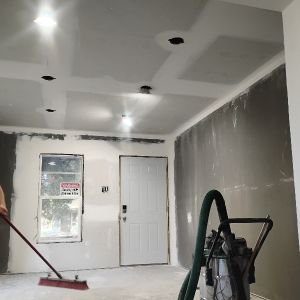
Textured Ceiling Removal in Austin, TX
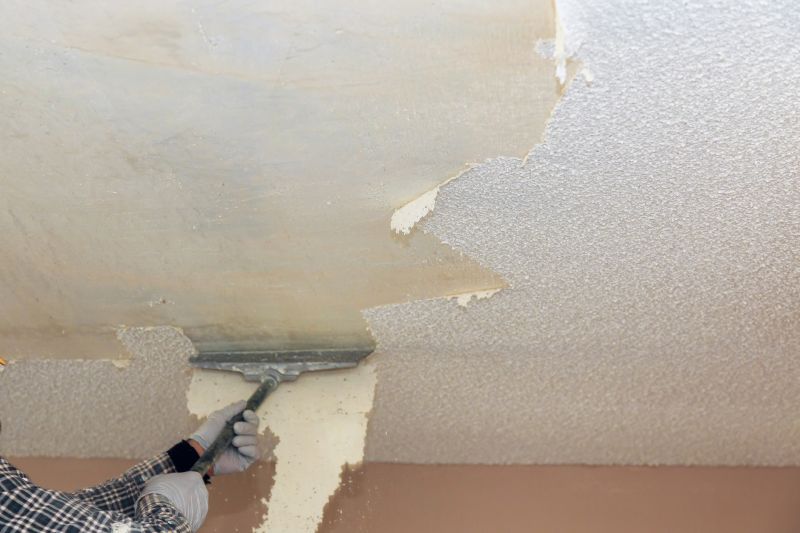
Textured ceiling removal services involve the process of eliminating old or outdated textured finishes from ceilings, often replacing them with smooth surfaces for a cleaner and more modern appearance. This service is commonly requested for home renovation projects, especially when preparing a space for painting or updating interior design. Property owners typically want to understand the scope of the removal process, the potential for ceiling repairs afterward, and how the finished surface will look once the texture is removed.
Before requesting textured ceiling removal, homeowners should consider the condition of the existing ceiling and whether any underlying issues, such as water damage or cracks, need to be addressed. It’s also helpful to know the type of texture applied, as some finishes may require specific removal techniques. Clarifying these details can ensure the project is completed smoothly, resulting in a ceiling that enhances the overall aesthetic of the space.
Many property owners in Austin, TX look into Textured Ceiling Removal for repairs, replacements, upgrades, and appearance-related improvements.
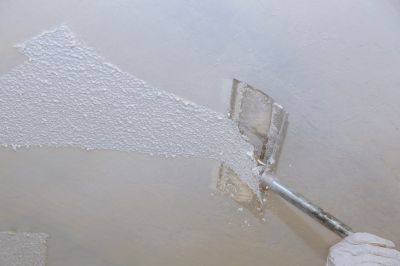
Benefits Of Removing Textured Ceilings
Achieving a smoother, more modern look can enhance the overall appearance of your austin home.
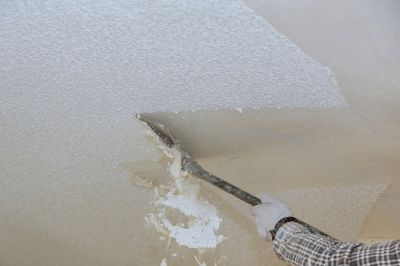
Common Reasons For Ceiling Removal
Many property owners opt for removal to update outdated textures or address underlying ceiling issues.
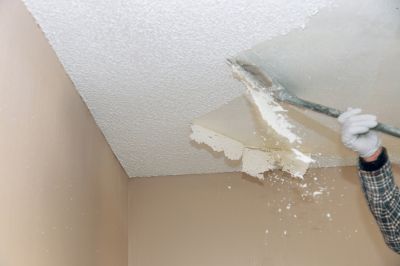
What To Expect During Removal
The process involves careful preparation to minimize mess and ensure a clean, seamless finish.
Textured Ceiling Removal in Austin, TX

Textured ceiling removal services involve the process of eliminating old or outdated textured finishes from ceilings, often replacing them with smooth surfaces for a cleaner and more modern appearance. This service is commonly requested for home renovation projects, especially when preparing a space for painting or updating interior design. Property owners typically want to understand the scope of the removal process, the potential for ceiling repairs afterward, and how the finished surface will look once the texture is removed.
Before requesting textured ceiling removal, homeowners should consider the condition of the existing ceiling and whether any underlying issues, such as water damage or cracks, need to be addressed. It’s also helpful to know the type of texture applied, as some finishes may require specific removal techniques. Clarifying these details can ensure the project is completed smoothly, resulting in a ceiling that enhances the overall aesthetic of the space.
Many property owners in Austin, TX look into Textured Ceiling Removal for repairs, replacements, upgrades, and appearance-related improvements.
Common Textured Ceiling Removal Jobs
Textured Ceiling Removal - Smooths out popcorn or textured ceilings for a clean, modern look.
Ceiling Refinishing - Prepares surfaces for a fresh coat of paint after texture removal.
Home Renovation - Upgrades ceilings to improve aesthetics and property value.
Ceiling Repair - Addresses cracks or damage caused by texture removal processes.
Drywall Preparation - Ensures ceilings are ready for painting or finishing after texture removal.
Ceiling Restoration - Restores ceilings to a uniform, updated appearance.


Textured Ceiling Removal Questions
What is textured ceiling removal? It involves safely removing decorative ceiling textures to create a smooth surface suitable for painting or new finishes.
Why choose textured ceiling removal? It helps update the look of a space, improves ceiling cleanliness, and prepares surfaces for a fresh coat of paint.
Are there common types of ceiling textures? Yes, popular textures include popcorn, knockdown, and slap brush finishes, each requiring different removal techniques.
Is textured ceiling removal suitable for all ceilings? Most ceilings can be restored to a smooth finish, but the condition and type of texture may influence the process used.
Request Textured Ceiling Removal in Austin, TX
Use the quote form on this page to share the basics of your project and request more information for the type of work you need.